Why Local Government Electors’ Meetings matter, and why locals should turn up
Electors’ Meetings exist to remind councils who they serve. They are where transparency is tested, priorities are challenged, and leadership shows itself.

Electors’ Meetings exist to remind councils who they serve. They are where transparency is tested, priorities are challenged, and leadership shows itself.

Most people have never heard of an Electors’ Meeting. That’s not a failure of the community, rather it’s a failure of local government culture that favours secrecy over transparency.
Yet these meetings are one of the few formal moments when residents are entitled not just to watch council, but to question it directly, move motions, and compel explanations on the public record.
On 27 January 2026, the Shire of Serpentine Jarrahdale will hold its annual Electors’ Meeting. For locals, it’s an opportunity that shouldn’t be wasted.
An Electors’ Meeting is not a council meeting in the usual sense. It’s not about councillors debating amongst themselves while the public sits quietly at the back.
It exists for one reason: accountability.
Electors can:
In other words, it’s one of the few times the power balance briefly shifts back toward the community.
Which is exactly why turnout matters.
Local governments across WA like to talk about “transparency” and “community engagement.” But transparency isn’t just a slogan for election time, it’s a practice. And engagement doesn’t count if the answers stop when the questions get uncomfortable.
Take just a few examples from Serpentine Jarrahdale's recent history that deserve public explanation.
Around $370,000 has been spent on “legal services”, yet the community has been refused clarity on what that money was actually for.
That’s not pocket change. That’s ratepayer money at a time when families are facing rising costs, higher mortgages, rate hikes, and real financial stress.
Then there’s the decision to spend around $2,000 on novelty coins.
You didn't read that incorrectly; apparently, the Shire is going into the minting business.
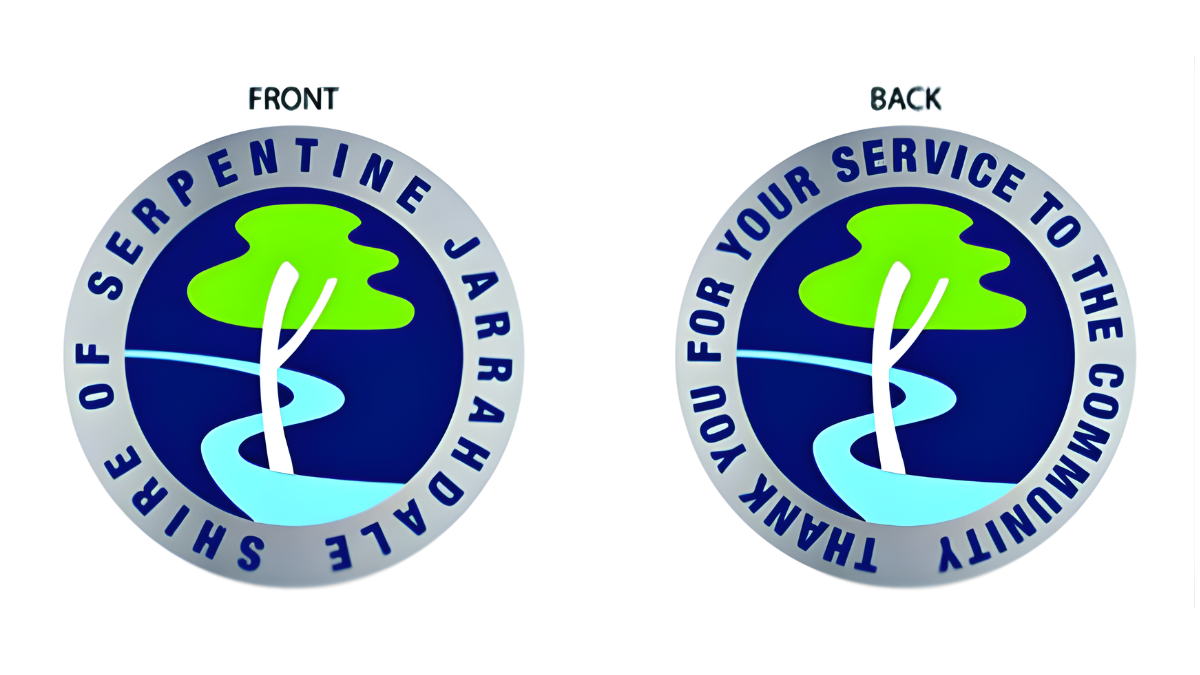
During the debate on that item, elected members supporting this wasteful spending cited it as an effort to recognise service to the community. However, as Councillor Kim Glisenti rightly pointed out, if the goal is recognition, a certificate of appreciation does the job perfectly well, without bespoke minting, custom designs, or unnecessary expense footed by the long-suffering ratepayers.
The question isn’t whether recognition is appropriate. The question is whether this kind of spending reflects the community's priorities.
That’s exactly the kind of question an Electors’ Meeting exists to ask.
There’s a tired idea in local government that questioning decisions is somehow “negative” or “disrespectful.”
It isn’t. Public scrutiny is a fundamental part of our democracy.
Strong councils welcome scrutiny because scrutiny improves decisions. Weak councils, on the other hand, resent it because it exposes priorities they’d rather not defend.
When councillors like Kim Glisenti ask hard questions, push back on wasteful spending, and advocate for ratepayers who are too often treated as cash cows, that isn’t grandstanding — that's leadership.
Local government works best when:
If electors don’t attend, ask questions, or move motions, councils learn a simple lesson: they can get away with more.
Electors’ Meetings only work if people use them.
So whether your concern is transparency, spending priorities, or simply understanding how your local council operates, go to your local Electors' Meeting.
Not to shout.
Not to grandstand.
But to ask reasonable questions and expect honest answers.
That’s how local democracy is meant to work.
But it only works if you show up.